New Name, Who Dis? The Ruthless Creator Rebrand and the Screen-Cappers Who Ruin Everything
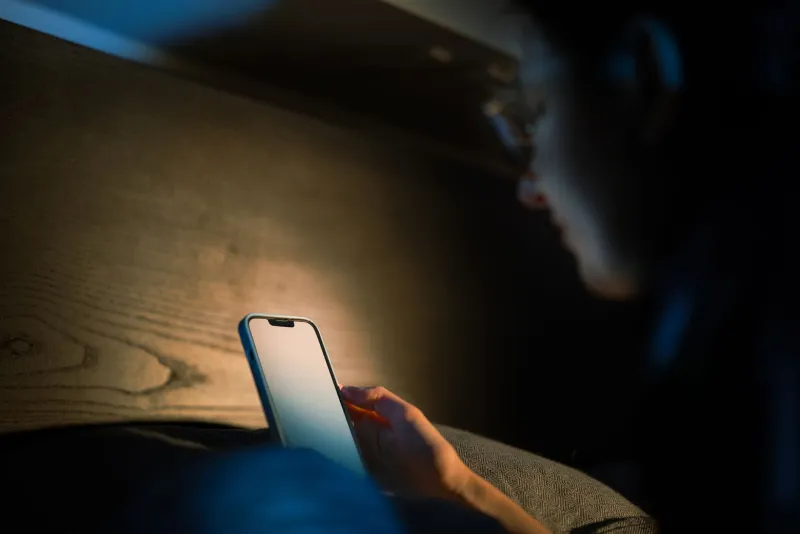
Somewhere right now, a content creator is sitting cross-legged on their bed, laptop glowing in the dark, methodically deleting tweets from 2013 like a surgeon removing a tumor. They've got a new aesthetic. A new niche. Maybe a new name that sounds vaguely Scandinavian despite being from Akron, Ohio. They've got a brand deal with a vitamin supplement company and a TED Talk in the pipeline, and none of that survives contact with the phrase "lol no one cares about [slur] tbh" from their sophomore year of high school.
Welcome to the influencer rebrand — the most optimistic, most doomed enterprise in the history of digital media.
The Anatomy of a Glow-Up That's Actually a Cover-Up
The modern creator rebrand follows a pattern so reliable you could set your watch to it. Phase one: the quiet purge. Old videos get unlisted. Tweets disappear in batches, usually between 11 PM and 2 AM on a weeknight, because apparently that's when they think no one's watching. Collab content featuring problematic ex-friends gets scrubbed. Old usernames get abandoned like a getaway car.
Phase two: the pivot announcement. This is delivered via a softly lit video with an acoustic guitar loop underneath it, where the creator explains that they've "grown so much" and are "really focusing on authenticity now." They use the word "journey" at least four times. They might cry, or do something adjacent to crying that involves touching their own face a lot.
Phase three: the new era. Fresh logo. New intro music. Maybe a podcast. Definitely a Substack. The old content is gone — or so they think — and the new personal brand is clean, aspirational, and completely divorced from the person who once posted a sixteen-part Twitter thread defending a guy who absolutely did not deserve defending.
The problem, of course, is phase four: the archive.
The Internet Remembers Everything, and It Has Opinions
Here's the thing nobody tells you when you sign up for parasocial fame: your audience is not just watching you. A subset of them is archiving you. There are people who have been screen-capping influencer content since before the influencer knew they were going to be famous. There are Reddit threads organized like CIA case files. There are Discord servers where users have catalogued deleted YouTube videos with the dedication of documentary filmmakers.
The Wayback Machine is free. DownThemAll is free. The righteous fury of a former fan who got blocked for asking a reasonable question? Completely, devastatingly free.
Every major influencer rebrand in recent memory has been met with someone — always someone — who pulls up the receipts within 48 hours. The deleted tweets resurface. The unlisted videos get re-uploaded to anonymous accounts. The old username gets someone else's account pointing back to the new one with a very calm, very thorough thread explaining the full timeline. These people are not heroes. They are not villains. They are simply bored, thorough, and absolutely committed to the bit.
The Diss Track Problem (Or: Why Your Past Is Worse Than Your Enemies)
Here's a counterintuitive truth that the rebrand-happy creator class has not fully absorbed: your old content is a bigger threat to your career than anything your rivals could cook up.
A diss track is a known quantity. It's adversarial. It puts the audience in a position to choose sides, and audiences love choosing sides — but they also love the person being dissed if they respond with grace. It's almost a promotional opportunity at this point. MrBeast could drop a diss track about literally anyone and the target would gain subscribers from the drama.
But your own words? Your own 2016 opinion about a marginalized group delivered with the confidence of someone who had never been wrong about anything? That's not a beef. That's a character witness. There's no clapping back at yourself. There's no "we talked it out" press release. There's just the video, the timestamp, and the comments section filling up in real time.
The calculus here is brutal: a rival's diss track can be survived with a good PR response and enough time. Your own deleted content can end a brand deal in a single afternoon.
Timing Is Everything (Until It Isn't)
Creators who've survived their own rebrands — and some have, genuinely — tend to credit timing. Specifically: getting ahead of it. The ones who've managed to evolve their public persona without implosion usually did so by acknowledging the old era rather than pretending it didn't exist. They made the video before someone else made it for them. They named the thing. They took the controlled demolition over the surprise explosion.
This works maybe thirty percent of the time. The other seventy percent, the acknowledgment video itself gets picked apart, the apology gets called performative, and the whole thing becomes a case study in how not to handle a crisis that a media newsletter will reference for the next four years.
There's also the timing-of-the-purge problem. Delete too fast after a controversy and it looks like a cover-up. Delete too slowly and the content keeps circulating. Delete everything at once and someone writes a piece titled "Why Did [Creator] Just Nuke Their Entire Archive?" which gets more views than the thing they were trying to bury.
There is no good time to delete your past. There is only the time you pick and the consequences you get.
The New Aesthetic Won't Save You
The most painful part of watching a creator rebrand in real time is the sincerity of it. They really do believe the new logo matters. They really do think the pivot to "mindfulness content" will create enough distance from the old persona. They've hired a photographer. They've updated their link-in-bio. They've written a newsletter intro that describes them as a "storyteller and entrepreneur" without any further specifics.
And for a while, sometimes, it works. The algorithm rewards consistency. New followers find the new content without context. The old stuff drifts to the bottom of the search results. The creator exhales.
Then someone's doing a deep-dive video on influencer drama, and they need a case study, and your name comes up, and suddenly the 2015 tweets are in a YouTube thumbnail with a red circle around them and four million people are watching.
The internet doesn't have a delete key. It has a delay.
The Only Rebrand That Actually Works
Spoiler: it's the one where you don't pretend the old version of you never existed. It's the one where you say, out loud, in your own words, "I said something stupid, here's why it was wrong, here's what I understand now" — and then you actually demonstrate that understanding through what you make next, not just what you announce.
It's boring. It's not a content strategy. It doesn't involve a new username or a rebranded merch line. It's just accountability, which is famously the least photogenic option available.
But it's the only one the screen-cappers can't do anything with.
And honestly? Given the alternative, that seems worth the price of admission.