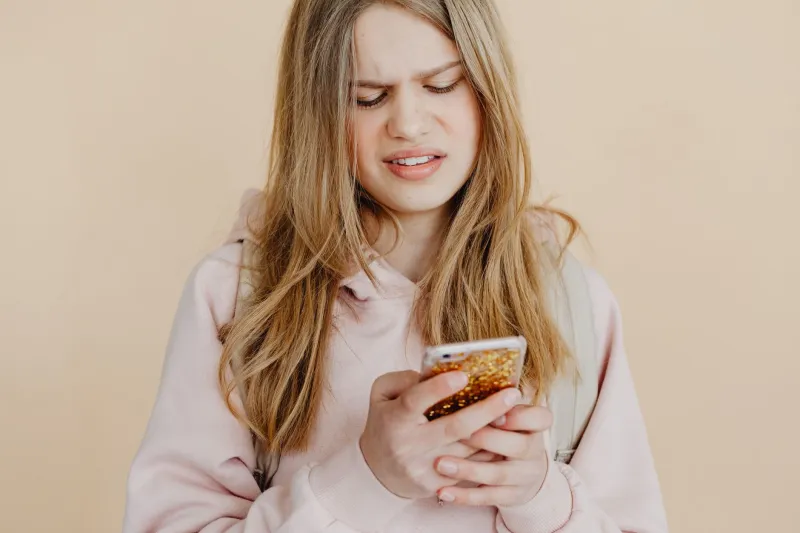
Send, Regret, Repeat: Why Celebrity Screenshots Keep Ending Careers and Nobody's Getting Smarter About It
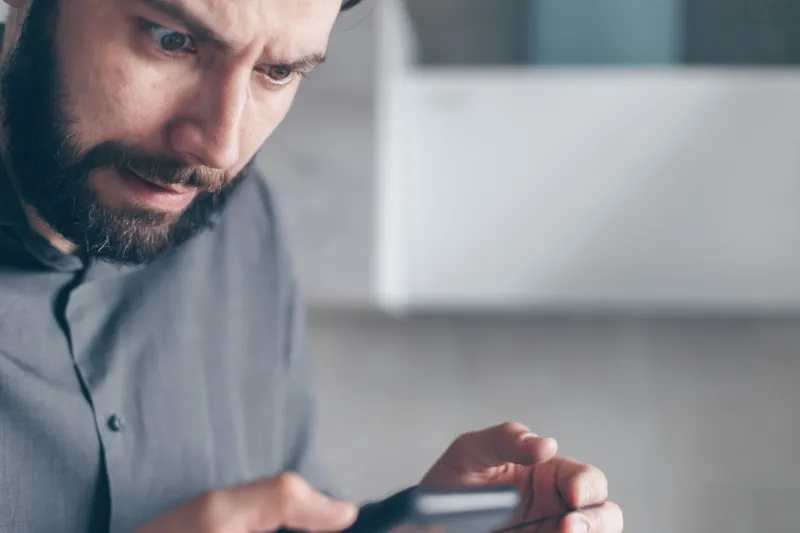
Somewhere in Hollywood right now, a publicist is watching their client type something into a DM field and screaming internally at a frequency only dogs can hear. They cannot stop it. Nobody can stop it. The message will be sent. The screenshot will be taken. The internet will do what the internet does.
This is not speculation. This is a cycle so well-documented it practically has its own Wikipedia disambiguation page.
We spent entirely too long cataloging the most spectacular celebrity screenshot disasters in recent memory, and what we found is both deeply funny and genuinely baffling: the people with the most to lose are consistently, almost impressively, the worst at protecting themselves digitally. Let's get into it.
The Screenshot as a Weapon of Mass Embarrassment
Before smartphones, a damaging private conversation required someone to either leak a voicemail recording (remember those?) or physically hand over a piece of paper. The barrier to exposure was high. The logistics were inconvenient. People had time to think.
Now? The entire process from "you said something terrible" to "it's trending on X" takes approximately forty-five seconds. Screenshots are free, they're portable, they require zero technical skill, and they live forever on servers that will almost certainly outlast human civilization.
What makes a screenshot truly dangerous isn't just the content — it's the metadata of trust. The person who received that message chose to share it. That's a two-part betrayal: first whatever was actually said, and second the implicit acknowledgment that someone in the celebrity's inner circle decided the world needed to see it. The screenshot doesn't just expose the message. It exposes the relationship.
The Anatomy of a Career-Threatening Screengrab
Not all screenshots are created equal, and the internet — chaotic as it seems — actually applies a surprisingly consistent rubric when deciding whether a leaked DM deserves full cancellation energy or just a dismissive eye-roll.
Credibility factor one: timestamp coherence. If the date on the message doesn't match the timeline being claimed, the internet forensics community (a group of people who absolutely have other things they could be doing) will find it within hours. Nothing deflates a scandal faster than a pixel-level analysis revealing the message was sent two years before the alleged incident.
Credibility factor two: voice consistency. Celebrities have documented speech patterns. Years of interviews, tweets, and public statements create a fingerprint. When a leaked message sounds exactly like someone's public persona — same cadence, same pet phrases, same chaotic punctuation — it lands harder. When it reads like a bad impersonation, people notice.
Credibility factor three: the reaction. This is the big one. A celebrity who responds to a leaked screenshot with a vague statement about "ongoing legal matters" is essentially confirming everything. A celebrity who posts a seventeen-paragraph Notes app essay addressing each point individually has already lost. The correct move, according to literally every crisis communications expert alive, is measured and minimal. The move almost everyone makes is frantic and overwhelming. Why? Because they're human, they're panicking, and they made the mistake of typing their actual feelings into a device connected to the internet.
The Deletion Paradox
Here's the part that gets genuinely philosophical: deleting the evidence does not help. It has never helped. It will not help in the future.
When a celebrity scrubs a post or deactivates an account in the immediate aftermath of a screenshot going viral, the internet interprets this as confirmation. The deletion becomes the story. "They deleted it" is now a headline. The original screenshot, which might have had a twelve-hour shelf life, suddenly has indefinitely extended relevance because the act of hiding it proves it mattered.
This is not new information. This has been true for over a decade. And yet the deletion reflex persists, because the lizard brain part of human psychology that says remove the bad thing is apparently stronger than any amount of media training.
Why The Same Mistakes Happen Over and Over
There's a tempting theory that celebrities are simply overconfident — that the same ego that makes someone believe they deserve a platform also makes them believe they're immune to consequences. That's probably part of it.
But the more interesting explanation is structural. Celebrities are surrounded by people whose entire job is to say yes. Assistants, managers, sycophantic hangers-on — the professional ecosystem of fame is not optimized for honest feedback. Nobody in that room is saying "maybe don't send that." Nobody has the job title of "guy who reads your DMs before you send them and tells you you're being an idiot." (That job should exist. Someone is leaving money on the table.)
There's also the false intimacy problem. DMs feel private. They feel like a whispered conversation, not a broadcast. The visual design of a direct message — small, contained, intimate — doesn't trigger the same psychological caution as composing an email or, god forbid, putting something in writing on actual paper. The brain doesn't register it as permanent. It's a chat bubble. Chat bubbles disappear.
Except they don't. They absolutely do not.
The Fake Screenshot Economy
In fairness to the celebrities, the screenshot ecosystem has a significant counterfeiting problem. Fabricated screengrabs have become sophisticated enough that even media-savvy audiences occasionally get fooled, which has created a strange kind of reputational insurance for genuinely guilty parties.
"That's fake" is now a reflexive response, and it works just often enough to muddy the waters. When a real screenshot surfaces alongside three fake ones in the same news cycle, the signal-to-noise ratio collapses. Audiences get exhausted. Attention moves on.
This is, incidentally, the one accidental defense mechanism that actually functions — not because celebrities planned it, but because the internet's own appetite for drama created a boy-who-cried-wolf problem. The volume of fake screenshots has made everyone slightly less certain about the real ones.
This is not a strategy anyone should rely on. It's the digital equivalent of hoping the house fire burns itself out.
The One Rule Nobody Follows
Every single crisis communications professional, digital privacy expert, and veteran publicist will tell you the same thing: do not put anything in a DM that you wouldn't want read aloud on a podcast.
It's not complicated advice. It requires no technical knowledge. It doesn't demand a VPN or an encrypted messaging app or a crash course in metadata scrubbing. It just requires the thirty seconds of reflection that fame, ego, and the seductive immediacy of a touch screen consistently conspire to prevent.
The receipts never lie. They also never disappear. And somewhere, right now, someone with a verified checkmark and very bad judgment is about to prove both of those things all over again.
We'll be here when it happens. We've got the tab open.